
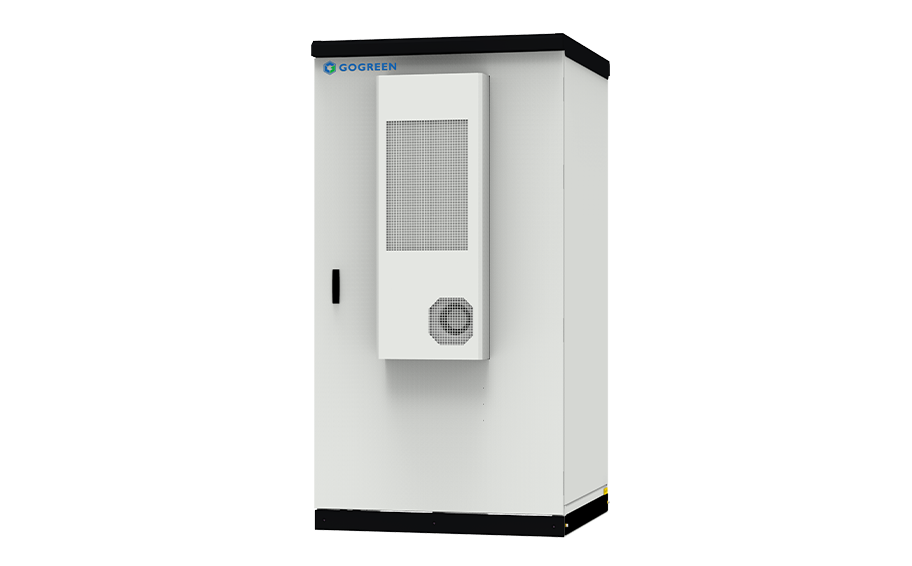
1+N Modular Energy Storage

1+N Modular Energy Storage System
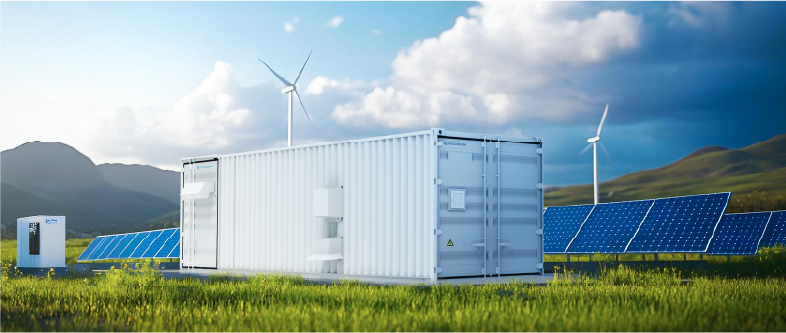
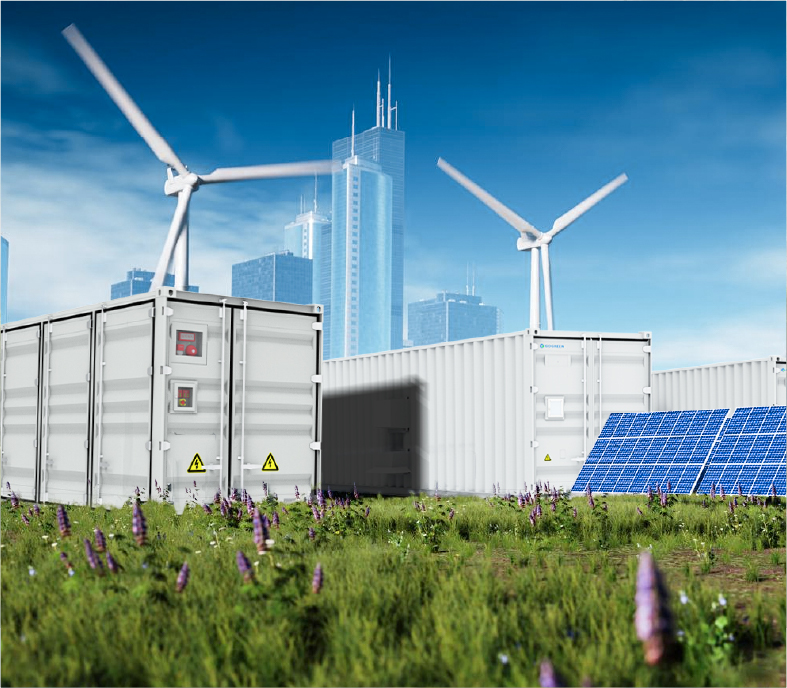
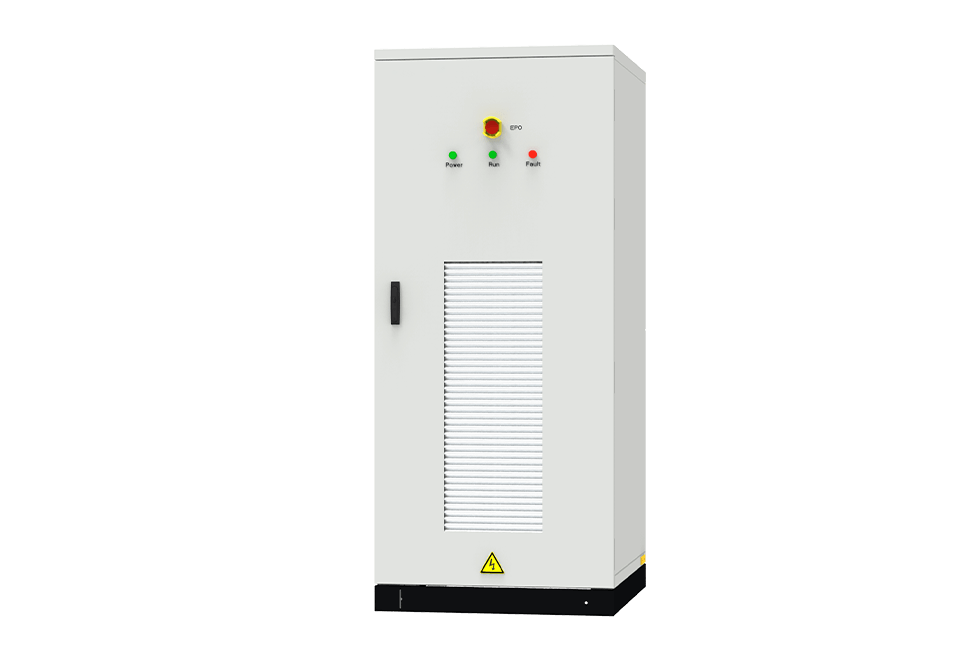
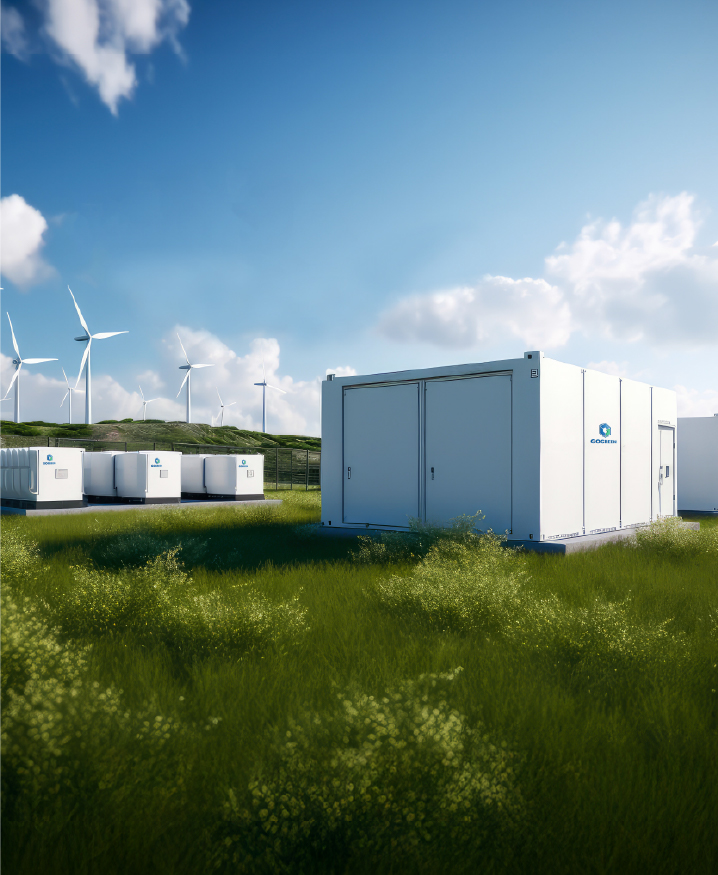
The modular split energy storage system refers to one PCS or PV-storage cabinet connected with multiple battery cabinets, with separate AC and DC sides. The energy storage cabinet achieves the effects of replicability, easy expansion, and flexible layout through its split-type structure.
//Highlights

Features

  • Wide Application
  • Precise Matching
  • Easy Maintainance
  • Future-Proof Design
  • 01

    Wide Application

    Split-type energy storage architecture flexibly adapts to C&I, utility-scale, and off-grid projects, enabling scalable capacity with standardized modules and lower initial investment.

  • 02

    Precise Matching

    Flexible expansion with decoupled inverter and battery allows independent kW and kWh planning to match diverse scenarios and load profiles.

  • 03

    Easy Maintainance

    Minimize cabinet redesign from PCS adaptation and reduce recertification issues from cabinet changes.

  • 04

    Future-Proof Design

    Modular energy storage adapts to different power and duration needs while reducing non-standard equipment with flexible standard combinations.

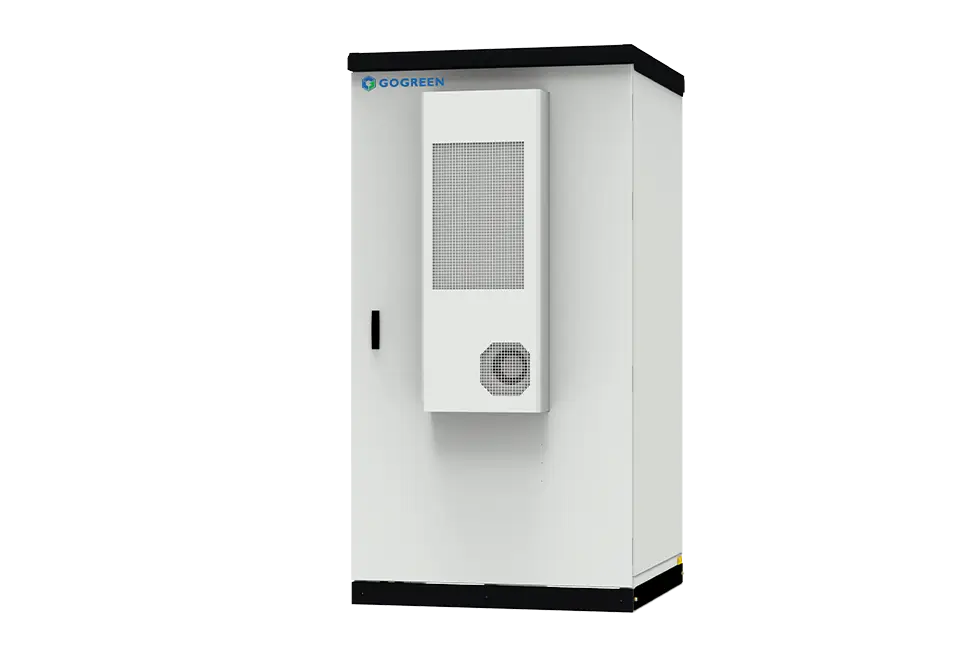
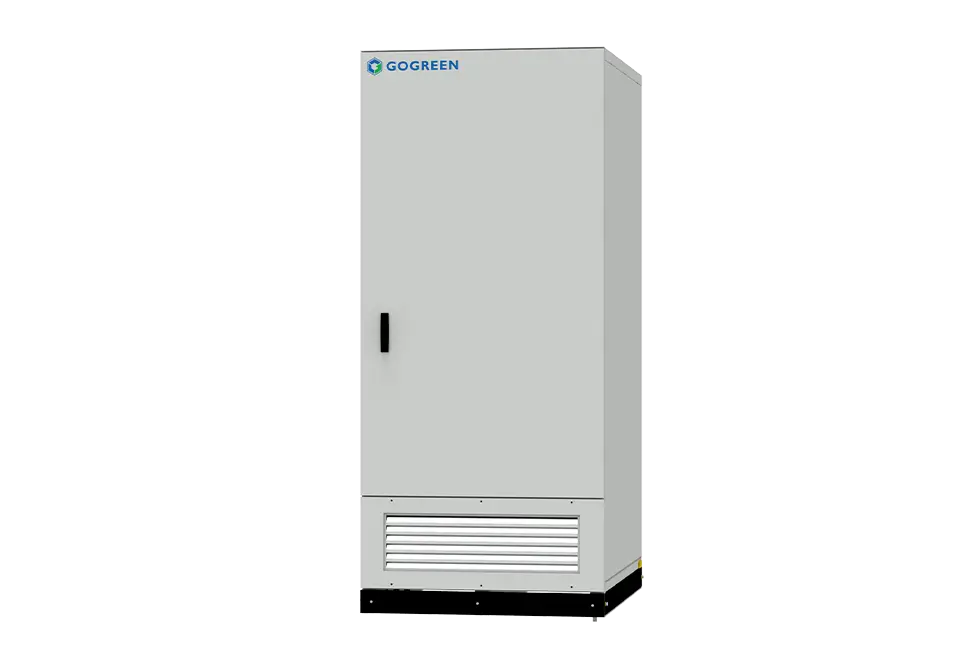
  • Energy Storage Battery Cabinet

    Energy Storage Battery Cabinet

    215 kWh/261 kWh

    Download
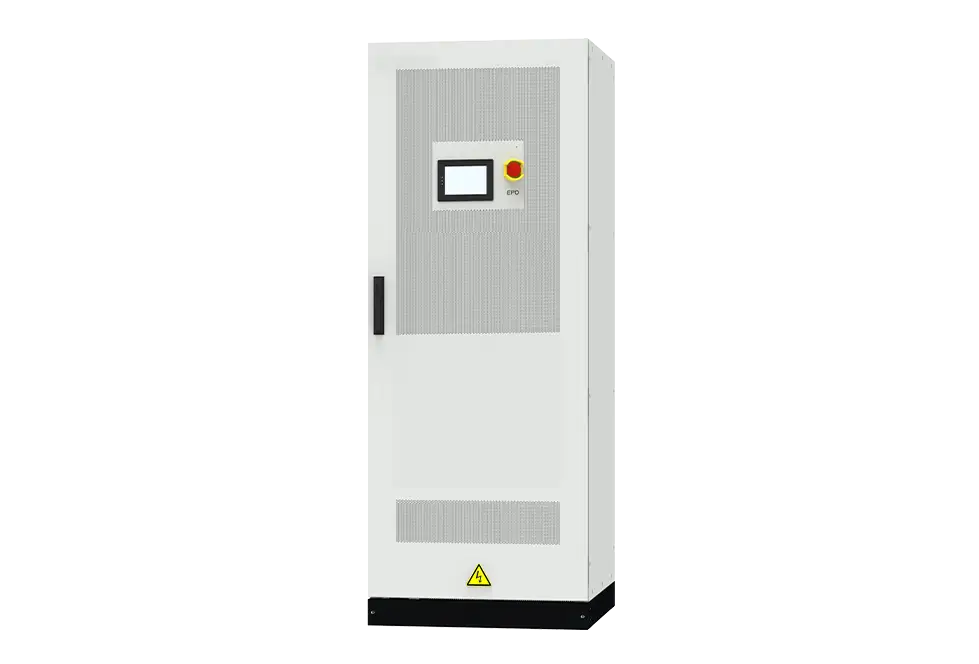
  • Power Conversion Cabinet

    Power Conversion Cabinet

    50 kW/100 kW/150 kW/250 kW/500 kW

    Download
//TECH spec

Specifications

G-Batt-215 kwh G-Batt-261 kwh
Basic
Battery rated capacity 215 kWh261 kWh
Battery rated voltage 768V832V
Battery voltage range 672V~864V728V~936V
Battery type Lithium iron phosphate battery (LFP)Lithium iron phosphate battery (LFP)
Battery cell capacity 280 Ah314 Ah
Series of battery 1P*20S*12S1P*52S*5S
Rated charging rate 0.5P0.5P
Degree of protection IP55IP55
Operating temperature, charging 0~55℃25~55℃
Operating temperature, discharging -30~55℃-20~55℃
Cooling mode Intellgent air-cooledIntelligent liquid-cooled
Altitude 3000m (>2000m derating)3000m (>2000m derating)
Dimensions (W*D*H) 1200*1200*2300mm1000*1350*2300mm
Weight (approx.) 2320kg2100kg
G-Flex-100TS G-Flex-1000 G-Flex-500TS G-Flex-250TS
DC-side parameters
Operate voltage range 580~1000V
Maximum DC current 110A*2200A*8200A*4200A*2
AC-side parameters
Rated/Max. AC power 50/55 kW1000/1100 kW500/550 kW250/275 kW
Rated AC current 72A180A*8180A*4180A*2
Rated AC voltage 400V, 3W+N+PE400V,3W+PE/W+N+PE400V, 3W+N+PE
Rated AC frequency 50/60Hz ± 5Hz
General parameters
Protection level IP21 (Indoor); IP55 (Outdoor)
Isolation method Transformer isolationNon-isolationTransformer isolation
Ambient temperature -25℃ to +60℃ (derating above 45℃)
Cooling mode Intelligent air-cooled
Communication interface RS485/CAN/Ethernet
Dimensions (W*D*H) 800*800*2100mm (Indoor); 900*1000*2100mm (Outdoor)1200*1000*2100 mm800*800*2100mm (Indoor); 900*1000*2100mm (Outdoor)
Weight (approx.) 550kg (Indoor); 630kg (Outdoor)1280 kg2250kg (Indoor); 2450kg (Outdoor)1500kg (Indoor); 1700kg (Outdoor)
Certification/Compliance UN38.3, UN3536, IEC 61727, IEC 62116, EN 62109, IEC 62477, IEC 62933, EN 62310, IEC 62619, IEC 63056, EN IEC 61000, EN/IEC 62920
//faqs

You Ask
We Answer

Still have questions?
Don't hesitate to contact our experts!

What is a modular split commercial and industrial energy storage system?
It is a flexible energy storage solution where battery cabins and PCS (Power Conversion Systems) are separated. This modular design allows businesses to scale capacity easily and adapt to different power and duration requirements. They are widely used in factories, data centers, commercial buildings, renewable energy integration, and microgrids for improving energy efficiency and ensuring reliable power supply.
Why modular design for industrial and commercial energy storage?
From factories and office buildings to industrial parks, C&I energy storage requires diverse, scalable solutions. Modular design enables flexible deployment, smooth expansion, optimized efficiency, enhanced safety, and real-time smart monitoring to meet varied power demands.
How does a modular split energy storage system reduce costs?
By minimizing cabinet redesign, using standardized components, and reducing the need for non-standard equipment, businesses save on engineering, certification, and operational costs.
//blog

Latest on BESS

View More Blogs
//GET STARTED

Ready to Power Your Business With Smarter Energy Storage?

    Your Information How Can We Help?