Factory / Manufacturing Plants
Q1. Can energy storage really reduce my demand charges and electricity bills?
A:
Yes. For factories with high peak loads, energy storage is one of the most effective tools for peak shaving and demand charge control. The system discharges during peak production hours and charges during off-peak periods, significantly reducing monthly demand fees.
Q2. Will the system affect production stability or interrupt operations?
A:
No. Industrial energy storage systems are designed for non-intrusive integration. They operate automatically in the background and can even improve power quality, reducing voltage fluctuations that may damage sensitive equipment.
Q3. What happens during grid outages? Can storage keep production running?
A:
Energy storage can provide short- to medium-duration backup power for critical loads. When combined with diesel generators, it enables seamless switching and reduces generator runtime, fuel consumption, and maintenance costs.
Industrial Parks / Business Parks
Q4. Can one energy storage system serve multiple tenants with different load profiles?
A:
Yes. A centralized energy storage system can be managed by an EMS to balance loads across multiple users, optimize peak demand, and allocate energy usage transparently for billing or internal settlement.
Q5. Is energy storage suitable for future expansion of the park?
A:
Absolutely. Modular system architecture allows capacity to be expanded in stages as more tenants, EV chargers, or renewable energy sources are added.
Q6. Can storage help the park integrate more solar power?
A:
Yes. Energy storage smooths PV output, reduces curtailment, and enables higher self-consumption—making the park less dependent on the grid and more resilient to energy price volatility.
Commercial Buildings (Malls, Offices, Hotels)
Q7. Is energy storage noisy or visually intrusive for commercial environments?
A:
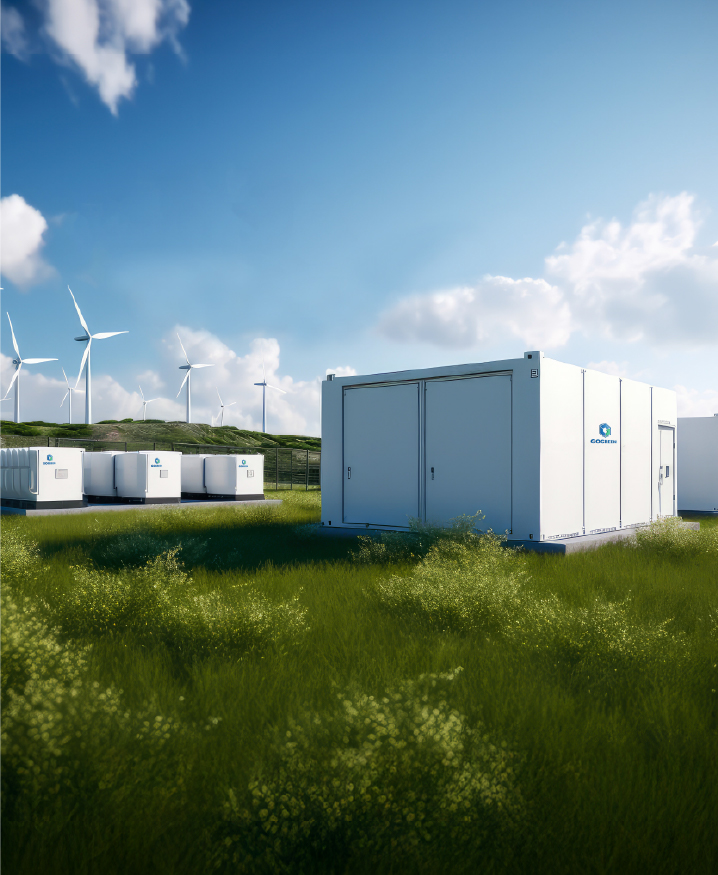
No. Outdoor cabinets and containerized systems are designed with low noise levels and compact footprints, making them suitable for malls, office parks, and hotels without disturbing occupants or customers.
Q8. Besides cost savings, what other value does storage bring to commercial buildings?
A:
In addition to lowering electricity bills, energy storage improves:
Power reliability
Business continuity
Sustainability credentials (ESG reporting)
It also enhances the building’s attractiveness to tenants seeking stable and green energy solutions.
Q9. Can energy storage support EV charging in commercial buildings?
A:
Yes. Energy storage mitigates sudden load spikes from fast chargers, avoiding costly grid upgrades while enabling scalable EV infrastructure.
Data Centers
Q10. Can energy storage meet the reliability requirements of data centers?
A:
Yes. Energy storage systems can operate as UPS-level backup for short durations and as part of a hybrid backup system alongside generators, ensuring uninterrupted power for critical IT loads.
Q11. How fast can the system respond to power disturbances?
A:
With STS and advanced PCS, switching times can be within milliseconds, meeting the strict continuity requirements of data centers.
Q12. Is energy storage safer and cleaner than traditional diesel-only backup?
A:
Yes. Storage reduces reliance on diesel generators, lowers emissions, minimizes noise, and improves compliance with environmental regulations—while still maintaining high reliability.
Q13. Can energy storage also be used for cost optimization, not just backup?
A:
Definitely. Many data centers use energy storage for daily peak shaving and tariff optimization, allowing the system to generate value even when there are no outages.