Second-Life Batteries: How EV Cells Are Powering the Next Phase of Energy Storage
LFP Battery
As the world races toward electrification, the first generation of EV batteries is quietly reaching retirement. But what if their story doesn't end there?
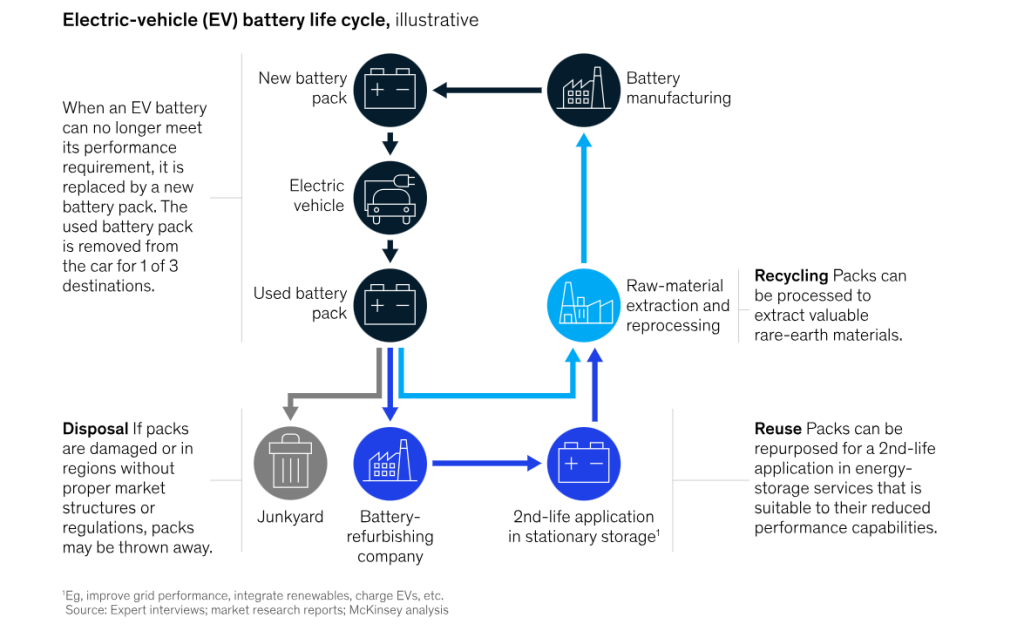
As electric vehicles (EVs) become increasingly mainstream, a quiet but crucial question is emerging: What happens to the batteries once their driving life ends?
Even when retired from mobility, most EV battery packs still retain 70–80% of their original capacity. Rather than heading directly to recycling, these batteries can find a second life in stationary energy storage systems (ESS) — supporting renewable integration, stabilizing grids, and providing affordable storage capacity.
This transition from "EV power" to "grid power" could redefine the economics and sustainability of energy storage in the next decade.
A Growing Reservoir of Retired Batteries
According to the International Energy Agency, global EV stock surpassed 45 million vehicles by 2024, and the cumulative capacity of retired batteries could exceed 200 GWh by 2030, roughly equivalent to the world's projected demand for grid-connected storage systems。
McKinsey notes that second-life batteries could unlock "a new value pool in energy storage" — turning an emerging waste stream into a strategic asset.
Why Second-Life Makes Economic and Environmental Sense
Cost advantage — The battery is already produced and depreciated through its first use. Repurposing it into stationary storage significantly lowers acquisition costs, creating an opportunity for affordable energy storage deployments.
Environmental benefit — Extending the usable life of a pack reduces demand for new raw materials and defers recycling emissions. According to life-cycle analyses, second-life use can cut greenhouse gas emissions by up to 30% compared to new systems.
Functional alignment — Unlike EVs, stationary storage does not require high power density or rapid charge–discharge rates. A pack with reduced performance can still provide years of reliable service in grid or commercial applications.
Emerging Use Cases
Second-life batteries are already being deployed in:
Commercial & industrial (C&I) storage systems for peak shaving and self-consumption.
EV charging hubs, where reused packs act as power buffers.
Grid services, supporting frequency regulation and voltage control.
Residential systems, especially in markets with high energy costs.
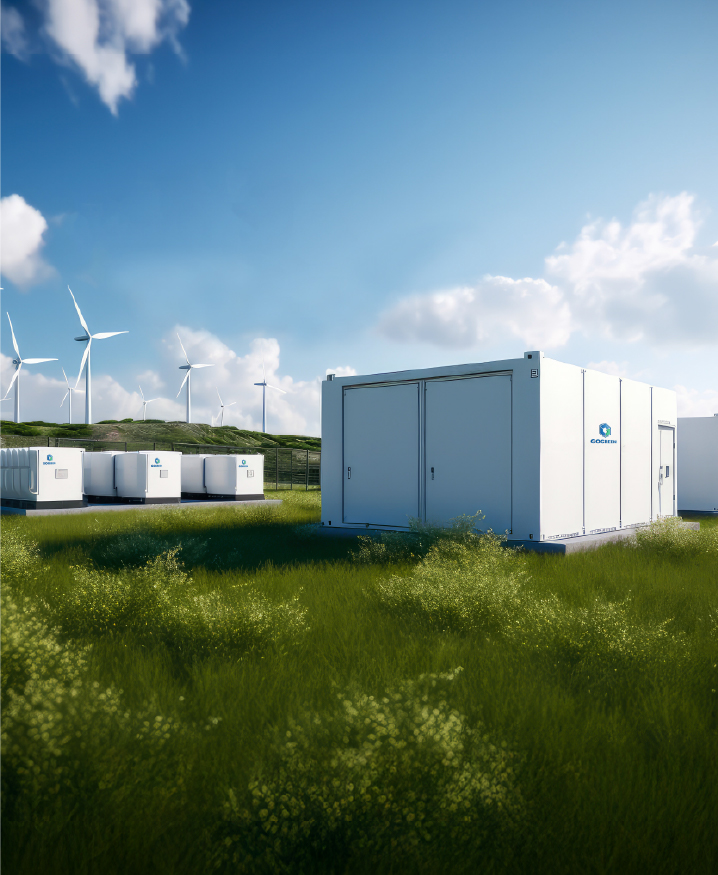
Some developers integrate second-life modules within hybrid systems (mixed with new batteries) to balance cost and performance, while others offer fully containerized BESS built entirely from repurposed EV packs.
Challenges to Address Before Scaling Up
Despite the promise, repurposing EV batteries at scale remains complex.
State of Health uncertainty — Detailed usage history is rarely available. Aging mechanisms vary widely depending on prior conditions, making SoH evaluation critical yet difficult .
Heterogeneity — Differences in chemistry, format, and BMS design between EV models complicate standardization and integration.
Safety and certification — Repurposed packs can have hidden defects. Without unified testing and certification frameworks, fire and thermal-runaway risks remain concerns.
Economic competition — As new LFP battery costs continue to decline, the financial case for second-life systems depends on very low acquisition and refurbishment costs.
Reverse logistics — Collection, transportation, testing, and reassembly require coordinated infrastructure and clear responsibility among OEMs, recyclers, and ESS integrators.
The Road to Commercial Maturity
To transform the concept into a viable industry, several enablers are essential:
Standardized testing and grading frameworks — Reliable diagnostics for capacity, resistance, and safety must be developed to ensure traceability and interoperability.
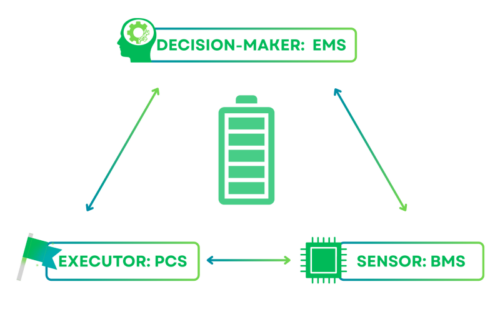
Dedicated BMS and integration architecture — Custom BMS solutions tailored for repurposed cells are key to managing performance and risk.
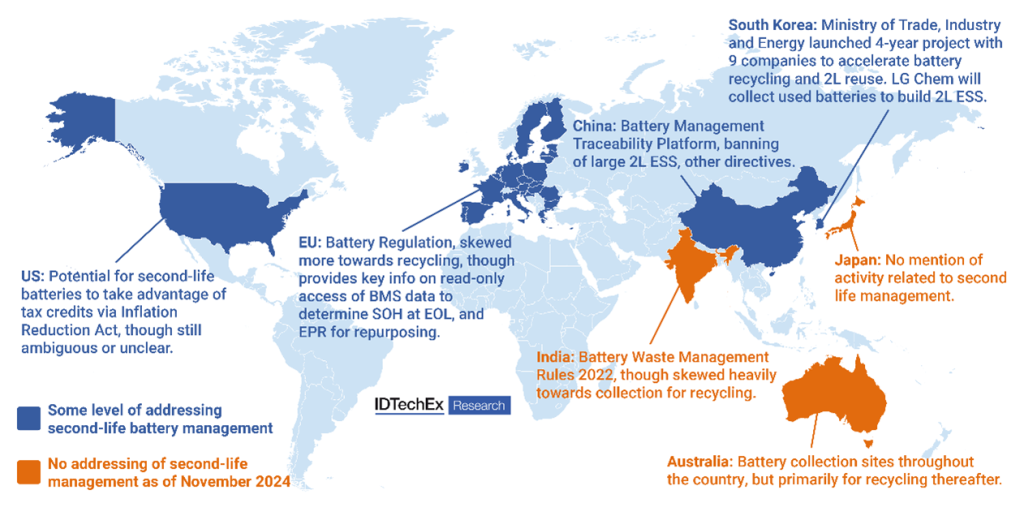
Policy clarity — Regulations defining ownership, liability, and incentives for reuse vs. recycling will shape market growth. The EU Battery Regulation is a positive precedent.
Business model innovation — Blended systems (new + used), pay-per-use models, or leasing structures could make second-life batteries commercially attractive.
A Measured but Promising Outlook by Gogreen
Market analysts project the global second-life EV battery market to exceed US $4 billion by 2035.
Second-life EV battery legislative activity by region
The technical and logistical barriers are real, but so are the opportunities. By aligning cost efficiency with sustainability goals, second-life batteries can become a cornerstone of circular energy systems — extending the value of each mined kilogram of lithium, nickel, and cobalt.
In this emerging ecosystem, collaboration between automakers, recyclers, and energy-storage developers will determine how much of this potential is realized. The shift from “end-of-life” to “next life” may well define the next chapter of clean-energy transition.