
Energy Storage for EV Charging

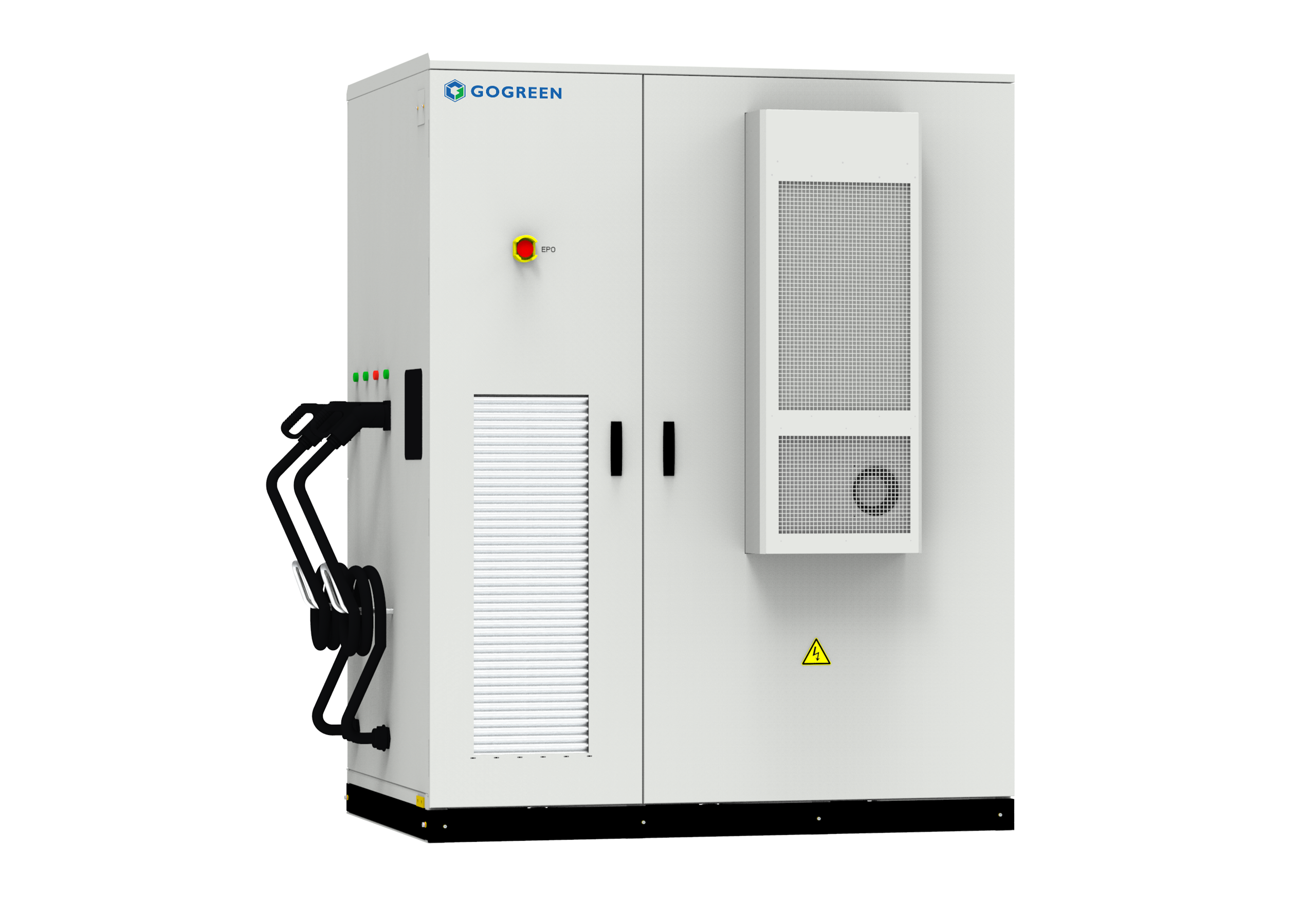
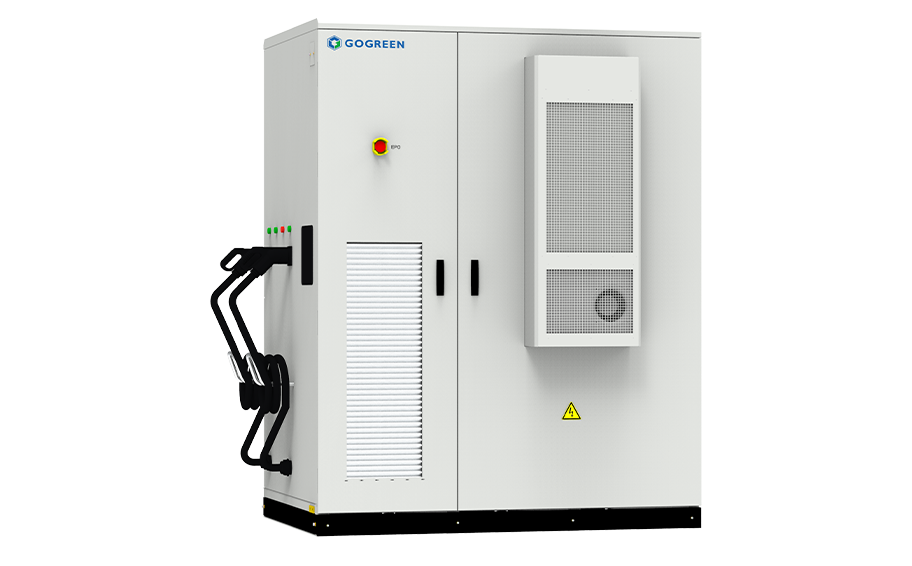
Integrated Energy Storage and EV Charging Cabinet

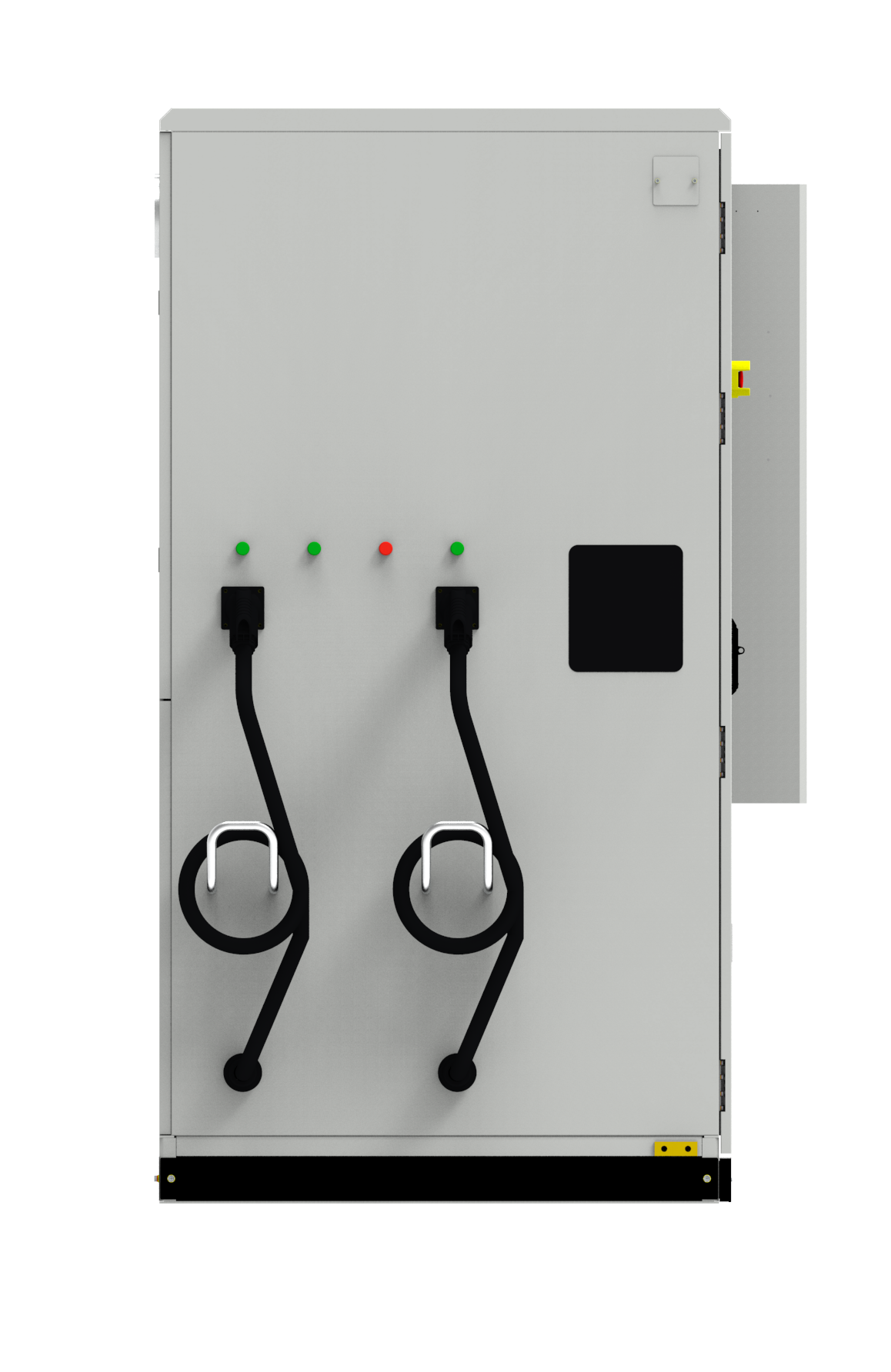
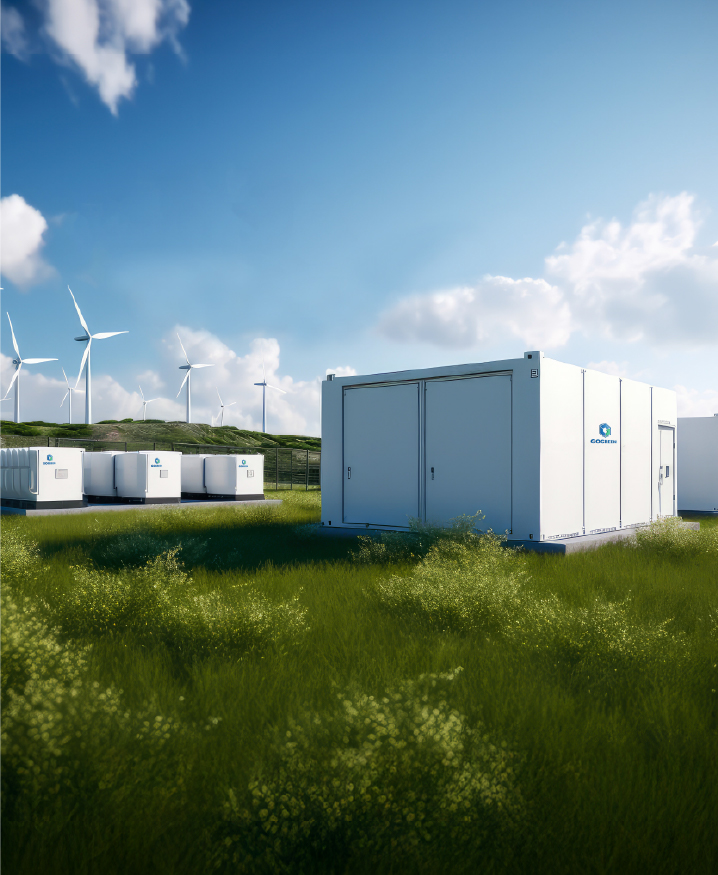
The system offers a green “PV + energy storage + EV charging” solution. With intelligent MPPT control, it maximizes solar use and enables clean energy self-sufficiency. Its dual-gun design supports simultaneous charging of two EVs, boosting efficiency. The integrated ESS cabinet suits EV stations, industrial parks, buildings, communities, remote areas, and microgrids—reducing energy costs and enhancing sustainability.
//Highlights

Features

  • Standardized Design
  • Flexible & Scalable
  • Intelligent Remote Monitoring & Management
  • Space-Saving
  • 01

    Standardized Design

    The system adopts a standardized modular structure with configurable functions. Components such as PV charging modules, off-grid switching modules, and power frequency transformers can be flexibly selected, making it ideal for microgrid applications.

  • 02

    Flexible & Scalable

    With built-in PV, energy storage, and charging modules, the system supports flexible combinations and easy expansion. It adapts to diverse application scenarios, from residential communities to commercial and industrial facilities.

  • 03

    Intelligent Remote Monitoring & Management

    The system enables remote monitoring, real-time fault detection, and cloud-based scheduling. It supports operation reports, historical data queries, and revenue settlement, ensuring smart and efficient energy management.

  • 04

    Space-Saving

    Featuring a door-mounted embedded air-conditioning system, the cabinet maximizes usable space while improving structural integrity and waterproof performance. This design ensures compact installation and long-term reliability.

  • Integrated PV-Storage-EV Charging Solution

    100 kW-215 kWh

    Download
//TECH spec

Specifications

G-Flex-100 (DC100) (215 kWh) (EV120)
Grid port
Rated AC power 100 kW
Max.AC power 110 kW
Rated current 144A
Max.current 158A
Rated voltage 400V AC, 3W+PE
Rated frequency 50/60 Hz (±5 Hz)
PV port
PV open-circuit voltage 250 ~ 652V
PV input power 100 kW
MPPT channels 2
Battery port
Battery rated capacity 215 kWh
Battery rated voltage 768V
Battery voltage range 672V ~ 864V
Battery type Lithium iron phosphate battery (LFP)
Battery cell capacity 280 Ah
Series of Battery 1P*20S*12S
Maximum charge and discharge current 140A
Charging port
Rated input power 60 kW *2
Rated input current 120A * 2(500V DC)
Measurement accuracy < ±0.1%
Number of Charging Guns 2
Gunline length 5m
Activation method Scanning, swiping, APP
Charging method Auto-fill, by amount, by power, by time
Display Mode LED
General parameters
Cooling mode Air cooling
Protection level IP55
Shutdown self-discharge <0.1% Rated power(Without transformer)
Relative humidity 0 ~ 95% (no condensation)
Noise <75 dB
Ambient temperature -25℃ to +60℃(with derating at temperatures above 45℃)
Altitude 3000m (> 2000m reduction)
Display LCD
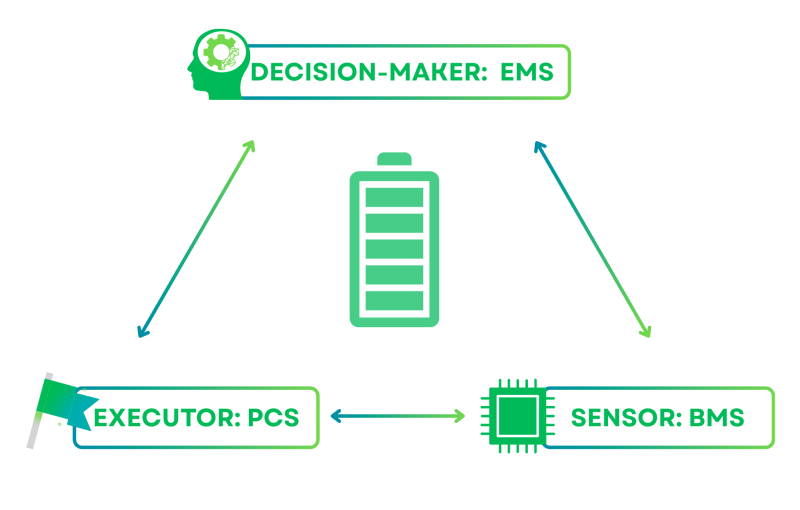
BMS Communication CAN
EMS Communication Ethernet/485
//faqs

You Ask
We Answer

Still have questions?
Don't hesitate to contact our experts!

What is energy storage and EV charging cabinet?
An integrated solar-storage-charging system combines photovoltaic panels, energy storage devices, EV chargers, and an energy management system (EMS). It can operate connected to the main grid or function independently as a microgrid.
With self-regulating capabilities, it is widely used in EV charging stations, highway service areas, parking lots, industrial parks, logistics hubs, and off-grid islands. As a type of microgrid technology, solar-storage-charging solutions support the energy transition by integrating more renewable energy into the power system. They reduce reliance on fossil fuels and enable efficient energy allocation across generation, grid, load, and storage.
What are the advantages of solar-storage-charging systems?
1. Higher Energy Utilization
Store excess solar power during the day to solve the intermittency of solar generation and EV charging, improving renewable energy efficiency.
2. Reduced Grid Pressure
Enable local generation and local use, lowering grid dependency and easing grid load during peak demand periods.
3. Lower Electricity Costs
Use peak-shaving and valley-filling strategies by charging storage during off-peak hours, reducing electricity expenses. 4. Environmental Sustainability
Maximize the use of solar energy, cut fossil fuel consumption, lower carbon emissions, and support global carbon neutrality goals.
//blog

Latest on BESS

View More Blogs
//GET STARTED

Ready to Power Your Business With Smarter Energy Storage?

    Your Information How Can We Help?